
When the weather turns crisp and the days grow shorter, there’s nothing quite as comforting as a warm bowl of minestrone soup. The rich aroma of sautéed onions, garlic, and fresh vegetables fills the kitchen, inviting you to take a cozy seat at the table. This isn’t just any soup; it’s a delightful blend of flavors that transports me back to family gatherings where laughter and warmth flowed as freely as the broth.

I discovered this recipe during one of those busy weeks when fast food began to creep into our dinner rotation. Determined to bring back the wholesome, homemade meals I adore, I turned to this nourishing minestrone, and it quickly became a staple in my house. With every spoonful, I’m reminded of the beauty of simplicity—the combination of hearty veggies and tender pasta makes it pleasing for both the palate and the soul.
This minestrone soup is not just easy to prepare; it effortlessly adapts to whatever seasonal vegetables you have on hand, making it the perfect way to clear out your fridge too! Whether you’re a seasoned chef or just starting your culinary journey, this comforting dish will bring joy to your table and warmth to your heart. Let’s dive into this recipe that’s sure to become a beloved favorite in your kitchen!
Why You'll Love This Minestrone Soup
- This Minestrone Soup is incredibly easy to make, allowing you to whip up a delicious meal with minimal effort.
- The flavor is rich and comforting, featuring a delightful blend of fresh vegetables and aromatic spices that will warm your heart.
- Its versatility is unmatched, as you can easily substitute any seasonal veggies or pasta you have on hand, making it perfect for using up what’s in your fridge.
- Not only is this soup visually appealing with its vibrant colors, but it also makes a crowd-pleasing dish that everyone will love around the table.
Minestrone Soup Ingredients
• Gather your ingredients to create a comforting bowl of minestrone soup that bursts with flavor!
For the Soup Base
- Olive oil – Essential for sautéing vegetables and adding healthy fats.
- Yellow onion – Adds a sweet and aromatic base to the soup.
- Carrots – These bring natural sweetness and a lovely pop of color.
- Celery – Offers a crisp texture and enhances the broth’s flavor.
- Garlic – Infuses the soup with a robust, fragrant essence.
For the Vegetables
- Zucchini – Provides a tender texture and absorbs the soup’s wonderful flavors.
- Diced tomatoes – Adding depth and acidity to balance the other ingredients.
- Low-sodium vegetable broth – The heart of your soup, ensuring a comforting taste without too much salt.
- Green beans – A vibrant, crunchy addition that complements the softer veggies.
For the Pasta
- Ditalini pasta – Small, tube-shaped pasta that captures the soup’s essence in every bite.
For Garnish
- Fresh basil – Enhances the flavor with a burst of freshness.
- Fresh parsley – Adds a touch of color and brightness.
- Salt and pepper – Essential for seasoning to bring all the flavors together.
With these ingredients in hand, you’re ready to create your very own minestrone soup that will warm your heart and home!
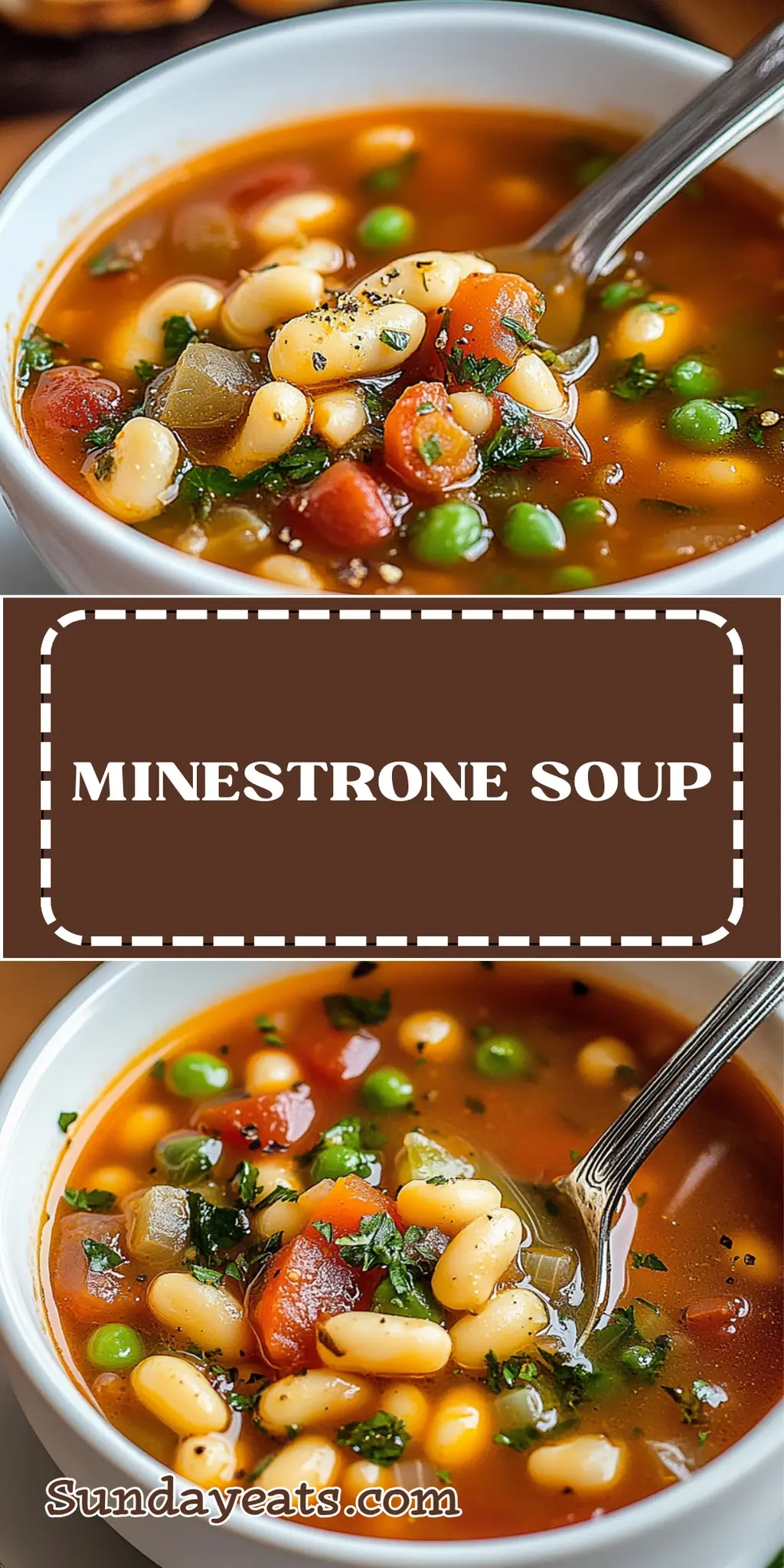
How to Make Minestrone Soup
-
Prep the Vegetables: Begin by chopping the onion, carrots, celery, garlic, zucchini, and green beans into small, even pieces. This will ensure they cook evenly and fit perfectly in each spoonful of your comforting minestrone.
-
Sauté the Aromatics: In a large pot over medium heat, warm the olive oil. Add the chopped onions, carrots, celery, and minced garlic. Sauté them for about 5 minutes, or until the onions become translucent and fragrant—this is where the magic begins!
-
Add Tomatoes and Simmer: Stir in the diced tomatoes, mixing well. Allow the mixture to simmer for 3-4 minutes, letting the flavors meld and the tomatoes soften, creating a rich base for your soup.
-
Incorporate the Broth: Pour in the low-sodium vegetable broth and bring it to a gentle boil. Then, add the diced zucchini and green beans; simmer everything together for 15 minutes until the vegetables are tender and the soup is bubbling with life.
-
Cook the Pasta: While the soup simmers, cook the ditalini pasta in a separate pot according to the package instructions until it’s al dente. Once done, drain the pasta and set it aside.
-
Combine and Serve: Just before serving, stir the cooked pasta into the soup, allowing it to soak up the flavors. Garnish with fresh basil and parsley, and don’t forget to season with salt and pepper to taste for a final touch of flavor!
Optional: Serve with crusty bread for dipping!
Exact quantities are listed in the recipe card below.
What to Serve with Minestrone Soup?
When you’re ready to elevate your bowl of warm, comforting soup, consider these delightful pairings that complement its hearty flavors.
-
Crusty Bread: The perfect companion for dipping, its chewy texture contrasts beautifully with the soup’s richness. A warm slice enhances every sippable bite!
-
Caesar Salad: The crisp romaine and tangy dressing add a refreshing crunch to balance the warm, savory soup. Together, they create a satisfying meal that pleases the palate.
-
Parmesan Cheese Crisps: These light, cheesy bites offer a delightful crunch that will liven up your soup experience. Sprinkle them on top for added flavor and texture!
-
Garlic Breadsticks: Soft, buttery sticks infused with garlic are perfect for soaking up the delicious broth as you enjoy your minestrone. A lovely combination that adds to the comforting vibe!
-
Roasted Vegetables: Seasonal veggies roasted until caramelized provide a wonderful textural contrast and deepen the meal’s wholesome character. A colorful side dish that excites the senses!
-
Red Wine: A glass of lightly chilled red wine complements the soup’s robust flavors. The earthy notes play beautifully with the vegetables, making every sip harmonious.
-
Lemon Sorbet: For dessert, a light lemon sorbet refreshes your palate after the rich soup. Its zesty brightness serves as a perfect finale to your comforting dinner experience.
Storage Tips for Minestrone Soup
Fridge: Store leftover minestrone soup in an airtight container for up to 3 days. Reheat gently on the stove or in the microwave until warmed through.
Freezer: Allow the soup to cool completely before transferring to freezer-safe containers. Minestrone soup can be frozen for up to 3 months.
Thawing: For best results, thaw the soup overnight in the fridge before reheating.
Reheating: Reheat on the stovetop over low heat, adding a splash of broth if needed to restore consistency. Enjoy a comforting bowl of minestrone soup again!
Make Ahead Options
Minestrone Soup is an ideal candidate for meal prep, making weeknight dinners a breeze! You can chop all your vegetables (onion, carrots, celery, zucchini, and green beans) and store them in an airtight container in the refrigerator for up to 3 days. Additionally, the soup base can be prepared and refrigerated up to 24 hours in advance—just skip adding the pasta until you’re ready to serve to maintain its texture. When the time comes to enjoy your comforting minestrone soup, simply heat the soup on the stove, add your cooked ditalini pasta, and garnish with fresh basil and parsley. This way, you’ll savor a warm, homemade meal with minimal effort, just as delicious as if you made it fresh!
Minestrone Soup Variations
Feel free to explore these delightful variations that will let you make this minestrone soup truly your own!
-
Gluten-Free: Substitute ditalini pasta for gluten-free pasta or add extra veggies instead for a hearty experience. Enjoy the same cozy comfort without any gluten!
-
Extra Protein: Toss in some cooked beans like cannellini or kidney beans for a protein boost. This adds wholesome heartiness, making your soup even more satisfying.
-
Spicy Kick: Add a pinch of red pepper flakes or a diced jalapeño while sautéing the vegetables. This imparts a little heat, awakening your taste buds and adding a delightful zing!
-
Vegan Delight: Ensure your broth is vegan and skip any cheese garnishes. You still get a deliciously hearty soup, perfect for a meat-free meal.
-
Pesto Perfection: Stir in a tablespoon of pesto before serving for an extra layer of flavor. This simple addition gives the soup a rich, herby dimension that brings everything together beautifully.
-
Seasonal Swap: Use any seasonal vegetables like spinach, kale, or butternut squash to change it up. Each ingredient adds its unique flavor, allowing you to celebrate the seasons through your soup!
-
Creamy Twist: Stir in a splash of coconut milk or heavy cream just before serving. This creates a silky texture that envelops your palate in richness.
-
Herb Infusion: Experiment with different herbs like thyme or rosemary for a fragrant twist. A small change in herbs can transport your soup to new culinary heights!
Chef's Helpful Tips
- When making your minestrone soup, ensure all your vegetables are cut into uniform sizes for even cooking.
- A common mistake is to skip sautéing the vegetables long enough; this step develops essential flavors, so don’t rush it.
- Use low-sodium vegetable broth to control the salt level and keep the soup balanced.
- Remember to add the cooked pasta right before serving to prevent it from becoming mushy in the soup.
Minestrone Soup Recipe FAQs
How do I choose the right vegetables for my minestrone soup?
Absolutely! The beauty of minestrone lies in its versatility. Opt for fresh, seasonal vegetables that you enjoy—think about using bell peppers, spinach, or even kale if you’re feeling adventurous! Look for vegetables that are firm and vibrant in color; avoid any with dark spots or signs of wilting for the best results.
How long can I store leftover minestrone soup?
Very! You can store leftover minestrone soup in an airtight container in the fridge for up to 3 days. Ensure the soup is cool before sealing it. If you need to keep it longer, freezing is a fantastic option, and it can last for up to 3 months!
Can I freeze minestrone soup, and how should I do it?
Absolutely! To freeze your minestrone soup, allow it to cool completely before pouring it into freezer-safe containers or heavy-duty freezer bags. For best preservation, leave some space for expansion, as liquids can expand when frozen. When you’re ready to enjoy it again, thaw it overnight in the fridge and reheat it on the stovetop, adding a splash of vegetable broth if needed to restore its lovely creamy consistency.
What should I do if the soup is too salty?
If your minestrone comes out a bit salty, don’t fret! A great trick is to add a peeled potato to the soup as it cooks. The potato will absorb some of the saltiness. After simmering for about 15-20 minutes, remove the potato. Alternatively, you could balance the flavors by adding more diced tomatoes or water to dilute the flavors. Taste as you adjust to find the perfect balance!
Are there any dietary considerations to keep in mind for minestrone soup?
Certainly! If you’re cooking for someone with allergies, be mindful of ingredients like garlic and certain veggies. This minestrone recipe is naturally vegan and can be gluten-free; simply swap ditalini pasta for a gluten-free variety to accommodate those with gluten sensitivities. Always check your vegetable broth for any allergens if you’re serving this soup to guests!
Can I make my minestrone soup spicier?
Very much so! If you enjoy a bit of heat, consider adding red pepper flakes during the sautéing stage or toss in a chopped jalapeño or two. You can also finish your bowl with a drizzle of hot sauce. Spice it up to your heart’s content!
Minestrone Soup
Ingredients
Equipment
Method
- Prep the Vegetables: Chop the onion, carrots, celery, garlic, zucchini, and green beans into small pieces.
- Sauté the Aromatics: In a large pot, warm the olive oil. Add onions, carrots, celery, and garlic. Sauté for 5 minutes.
- Add Tomatoes and Simmer: Stir in diced tomatoes and simmer for 3-4 minutes.
- Incorporate the Broth: Pour in vegetable broth, bring to boil. Add zucchini and green beans; simmer for 15 minutes.
- Cook the Pasta: Cook ditalini pasta separately until al dente, then drain.
- Combine and Serve: Stir cooked pasta into the soup and garnish with basil and parsley. Season with salt and pepper.


Leave a Comment